Kenya's private diagnostic laboratory sector has grown rapidly over the past decade, with new labs opening across Nairobi and regional towns to meet rising demand for accessible testing. Whether you are launching a standalone lab or upgrading a hospital laboratory department, a clear equipment checklist keeps the project on budget and on schedule.
Chemistry Analysis
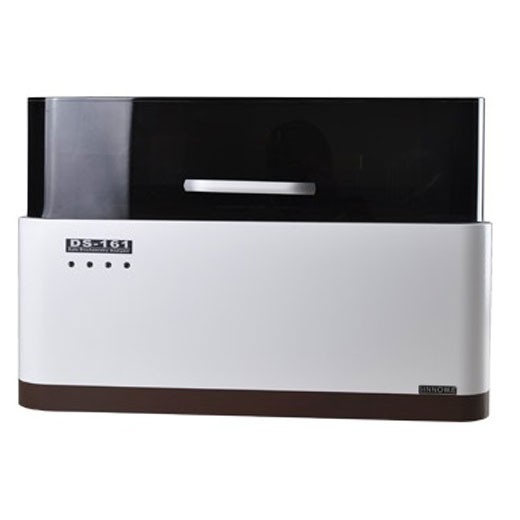
An Auto Chemistry Analyzer handles the bulk of routine biochemistry testing — liver and kidney function, lipid profiles, glucose and electrolytes — and is typically the anchor investment for a new lab. Throughput (tests per hour) and reagent availability in Kenya should both weigh heavily in your decision, since ongoing consumable supply matters as much as the machine itself.
Hematology
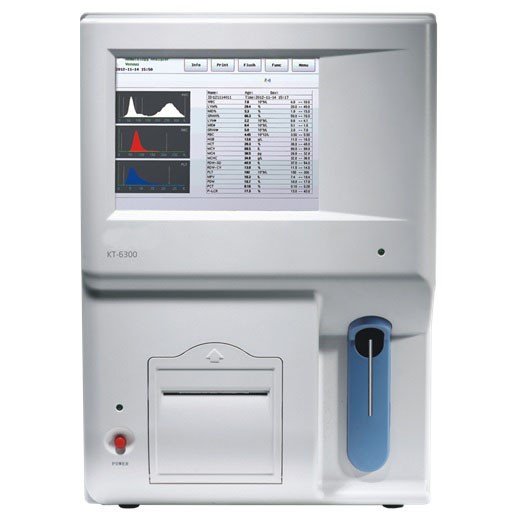
An Auto Hematology Analyzer automates full blood count testing, one of the highest-volume tests in any Kenyan laboratory or hospital. Automated hematology significantly reduces turnaround time compared to manual differential counts, freeing lab staff for more specialized work.
Urine Analysis
An Automatic Urine Analyzer speeds up routine urinalysis, a common test across outpatient, antenatal and general laboratory workloads. Automated strip reading also reduces the inter-operator variability that comes with manual visual reading.
Building Your Lab Equipment Checklist
- Chemistry analyzer for routine biochemistry panels
- Hematology analyzer for full blood counts
- Urine analyzer for routine urinalysis
- Sterilization equipment for reusable lab consumables — see our sterilization equipment guide
- Reliable power backup — analyzers are sensitive to power interruptions, a real consideration in many parts of Kenya
Beyond the equipment itself, plan for reagent supply chains, quality control materials, and staff training — a lab is only as reliable as the processes around the machines. Browse our full laboratory equipment range, or read our complete guide to buying medical equipment in Kenya. Request a quotation to start planning your lab.
Frequently Asked Questions
What equipment does a new diagnostic lab in Kenya need to start operating?
At minimum, most general labs need a chemistry analyzer, a hematology analyzer and a urine analyzer to cover routine testing, alongside basic equipment such as centrifuges, microscopes and sterilization equipment for reusable items. Specialized labs may add more, depending on the test menu offered.
How reliable is reagent supply for lab analyzers in Kenya?
This varies by brand and supplier. We recommend confirming local reagent stock and lead times with your equipment supplier before purchase, since a lab analyzer is only as useful as its ongoing consumable supply chain.
Does power instability in Kenya affect laboratory analyzers?
Yes, frequent power interruptions can affect analyzer calibration and results, so a stabilized power supply or UPS backup is strongly recommended for any laboratory analyzer installation.
Related Categories
Related Products