Newborn and maternal health remain a national priority in Kenya, and demand for well-equipped neonatal units continues to grow across both public and private hospitals. Equipping a maternity or newborn unit properly directly affects outcomes for the most vulnerable patients any facility treats.
Infant Incubators
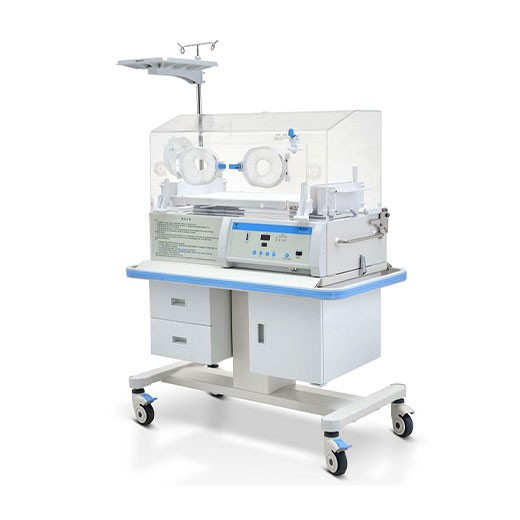
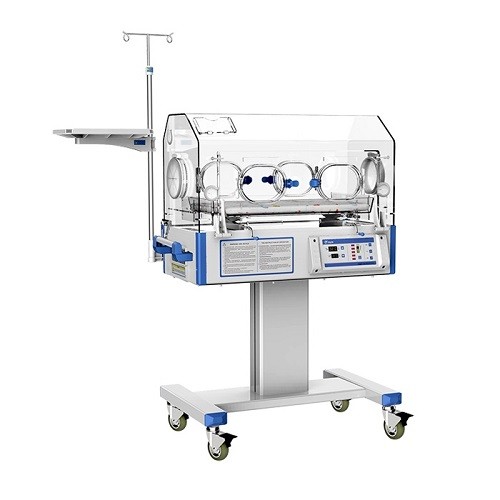
An Infant Incubator provides the controlled temperature, humidity and protective environment that premature and low-birth-weight newborns need in the critical first days and weeks of life. Look for reliable temperature control, easy-to-clean interior surfaces, and access ports that allow clinical care without disturbing the thermal environment.
Monitoring and Diagnostics
Neonatal units also depend on reliable patient monitoring — vital signs monitoring appropriate to newborn physiology is essential alongside the incubator itself. Diagnostic imaging support, particularly portable ultrasound covered in our medical imaging guide, is increasingly used at the bedside in neonatal and maternity care.
What to Look for When Buying Neonatal Equipment in Kenya
- Temperature accuracy and alarms: incubators must maintain a stable thermal environment with reliable alarm systems for any deviation.
- Backup power compatibility: confirm the unit can run on backup power, given the criticality of continuous operation.
- Servicing and calibration: incubators require periodic calibration checks — confirm your supplier can provide this locally in Kenya.
- Staff training: nursing and clinical staff should be trained on correct use, cleaning protocols and alarm response before the unit enters service.
Hospital furniture such as our stretchers and trolleys also has a role in maternity units for safe patient transport. See our full infant and neonatal care equipment range, or read the complete guide to buying medical equipment in Kenya. Request a quotation for your maternity or neonatal unit.
Frequently Asked Questions
What safety features should an infant incubator have?
Look for accurate temperature and humidity control with audible and visual alarms for deviations, easy-to-clean surfaces, and reliable backup power compatibility, since continuous operation is critical for newborn safety.
How often should infant incubators be calibrated?
Most manufacturers recommend calibration checks at least annually, with more frequent checks in high-usage neonatal units. Your supplier should be able to provide this service locally in Kenya rather than requiring equipment to be shipped elsewhere.
Can Medsphere Ltd supply neonatal equipment to hospitals outside Nairobi?
Yes, we supply, install and service neonatal and maternity equipment for hospitals across Kenya, including regional facilities outside Nairobi.
Related Categories
Related Products