
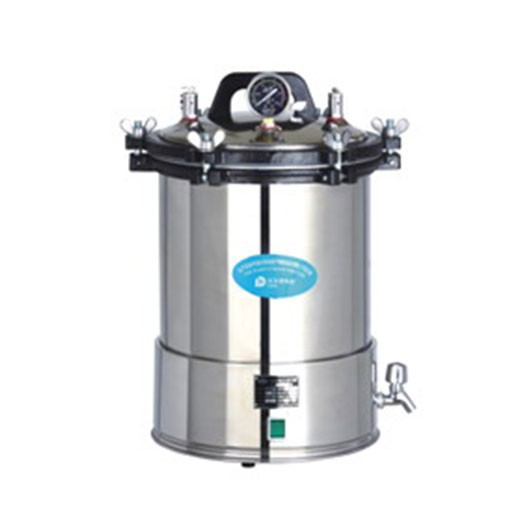
Reliable sterilization is non-negotiable for any facility that reuses instruments — hospitals, general clinics, dental practices and minor theatres alike. Yet it is also one of the most commonly under-specified purchases, with facilities buying a unit sized for a much smaller instrument volume than they actually process.
Why Autoclave Sizing Matters
Steam sterilization (autoclaving) remains the gold standard for most reusable surgical and dental instruments in Kenya. Before buying, calculate your daily instrument turnover, not just your current chamber size — a unit that is too small forces staff to run extra cycles, increasing wear and slowing down clinical throughput, particularly in busy theatres and dental practices covered in our dental equipment guide.
Cycle Types and Validation
Look for units that offer the cycle types relevant to your instruments — wrapped and unwrapped loads, and where relevant, cycles suited to handpieces and hollow instruments. Ask your supplier how the unit is validated and what documentation (cycle printouts or digital logs) it produces, since sterilization records are increasingly expected during facility inspections in Kenya.
Water Quality and Installation
Autoclave performance and lifespan are directly affected by water quality — hard or untreated water shortens chamber and heating element life significantly. Confirm with your supplier whether a water treatment or distillation system is needed for your facility's water supply before installation, particularly outside central Nairobi where water quality varies.
What to Check Before You Buy Sterilization Equipment
- Daily instrument volume: size the unit for peak demand, not average demand.
- Servicing access: chamber seals, heating elements and safety valves need periodic servicing — confirm your supplier can service the unit locally in Kenya.
- Space and utilities: check power, water and drainage requirements against your facility layout before ordering.
- Staff training: correct loading and cycle selection materially affects sterilization outcomes.
See our sterilization equipment range, or read the complete guide to buying medical equipment in Kenya for wider procurement guidance. Request a quotation and our team will help size the right unit for your facility.
Frequently Asked Questions
What size autoclave does a small clinic in Kenya need?
It depends on your daily instrument volume rather than the facility's physical size — a busy general clinic with several treatment rooms may need a larger chamber than a single-provider dental practice. We recommend requesting a quotation with your typical daily instrument count so we can recommend an appropriately sized unit.
How often does an autoclave need to be serviced?
Most manufacturers recommend annual preventive maintenance at minimum, with more frequent servicing for high-volume facilities. Water quality also affects service intervals — hard or untreated water can require more frequent descaling and element replacement.
Does Medsphere Ltd service autoclaves after installation?
Yes, we provide installation, commissioning and ongoing servicing for sterilization equipment we supply, with support available across Kenya.