
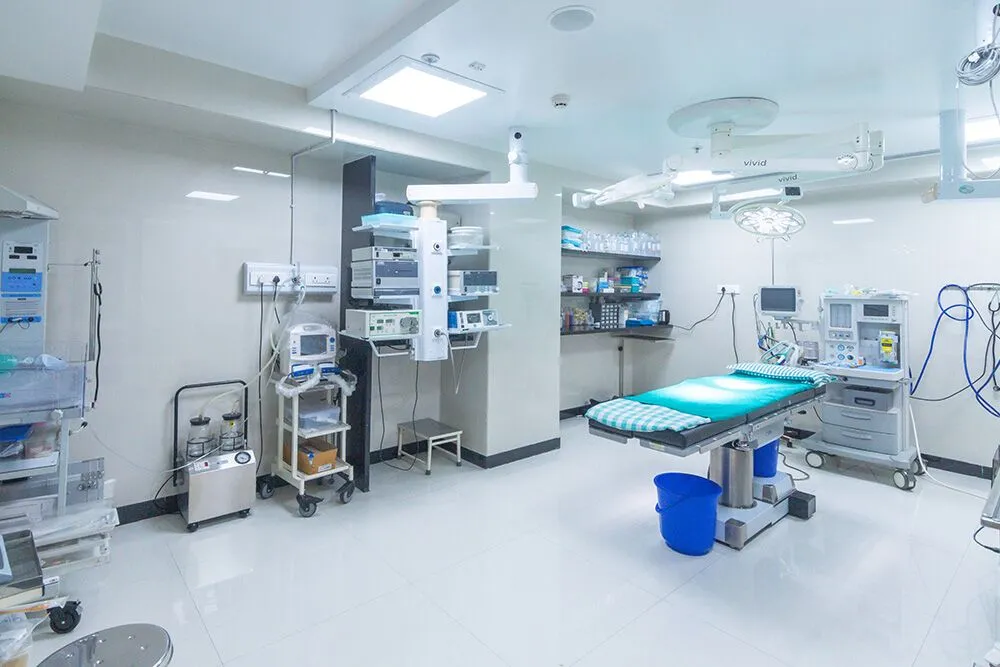
Equipping a hospital, clinic, laboratory or dental practice in Kenya is a major capital decision. Whether you are opening a new facility in Nairobi or upgrading an existing theatre, the process involves far more than comparing price lists — it means weighing supplier reliability, after-sales service, spare parts availability and compliance with Kenyan regulatory requirements. This guide walks through the full procurement process, from budgeting to installation.
1. Define Clinical Need Before You Shop
Start with a needs assessment rather than a product list. A 20-bed nursing home in Ongata Rongai has very different requirements from a diagnostic imaging centre in Nairobi's CBD. Involve your clinical lead, biomedical engineer (if you have one) and finance team early so that equipment specifications match patient volumes and available floor space, power supply and water/drainage where relevant (autoclaves and lab analyzers in particular).
2. Budget for the Full Lifecycle, Not Just the Purchase Price
The purchase price is only part of the cost of ownership. Factor in freight and clearing, installation and commissioning, staff training, consumables, preventive maintenance and eventual spare parts. A supplier that quotes an unusually low price but has no local service presence in Kenya can end up costing more once a machine goes down and there is no one to repair it.
3. Vet Your Supplier, Not Just the Equipment
Look for a supplier with a physical presence in Kenya, a track record of installations in Nairobi and beyond, and the ability to provide biomedical engineering support after the sale. Ask for references from hospitals or clinics using similar equipment, and confirm that the supplier can service what they sell — Anesthesia Machine and imaging systems in particular require ongoing calibration and preventive maintenance.
4. Understand Kenyan Compliance Requirements
Depending on the equipment category, you may need clearance from the Kenya Radiation Protection Board (for X-ray and imaging equipment), registration with the Kenya Medical Practitioners and Dentists Council or Kenya Medical Laboratory Technicians and Technologists Board, and adherence to Kenya Bureau of Standards (KEBS) import requirements. A reputable supplier will guide you through this rather than leaving you to navigate it alone.
5. Plan for Installation, Commissioning and Training
Large equipment — imaging systems, autoclaves, laboratory analyzers — needs proper site preparation (power, space, in some cases radiation shielding) and professional installation and commissioning before it can be used safely. Make sure installation, commissioning and operator training are included in your quotation, not treated as an afterthought.
Shop by Category
We have written detailed, Kenya-specific buying guides for the equipment categories our customers ask about most:
Medical imaging equipment — X-ray, ultrasound, mammography and CT
Hospital furniture — beds, trolleys, stretchers and scales
Laboratory equipment for diagnostic labs
Dental equipment for new and expanding clinics
We also supply theatre and critical care equipment and medical electronics such as patient monitors and defibrillators.
Medsphere Ltd supplies, installs, commissions and services medical equipment for hospitals, clinics, laboratories and dental facilities across Kenya, with our team based in Nairobi. Request a quotation or get in touch to talk through your requirements.
Frequently Asked Questions
How long does it take to import medical equipment into Kenya?
Timelines vary by equipment type and origin, but most orders take between 4 and 10 weeks from confirmed order to installation once freight, clearing and any regulatory approvals (such as radiation licensing for imaging equipment) are accounted for. Working with a local supplier who handles clearing and logistics removes most of this burden from your team.
Do I need Kenya Bureau of Standards (KEBS) clearance to import medical equipment?
Many categories of medical equipment require KEBS Pre-Export Verification of Conformity (PVoC) or equivalent import documentation. A supplier with local import experience will manage this as part of the purchase rather than leaving it to the buyer.
Is it better to buy medical equipment locally in Kenya or import directly?
Buying from a reputable local supplier such as Medsphere Ltd typically works out more reliable for hospitals and clinics, because installation, commissioning, staff training, warranty support and spare parts are all handled locally in Nairobi rather than requiring you to coordinate directly with an overseas manufacturer.
What after-sales support should I expect from a medical equipment supplier?
At minimum, expect installation and commissioning, operator training, a warranty period, and access to preventive maintenance and repairs with genuine spare parts. Ask any supplier upfront how service requests are handled and what their average response time is.